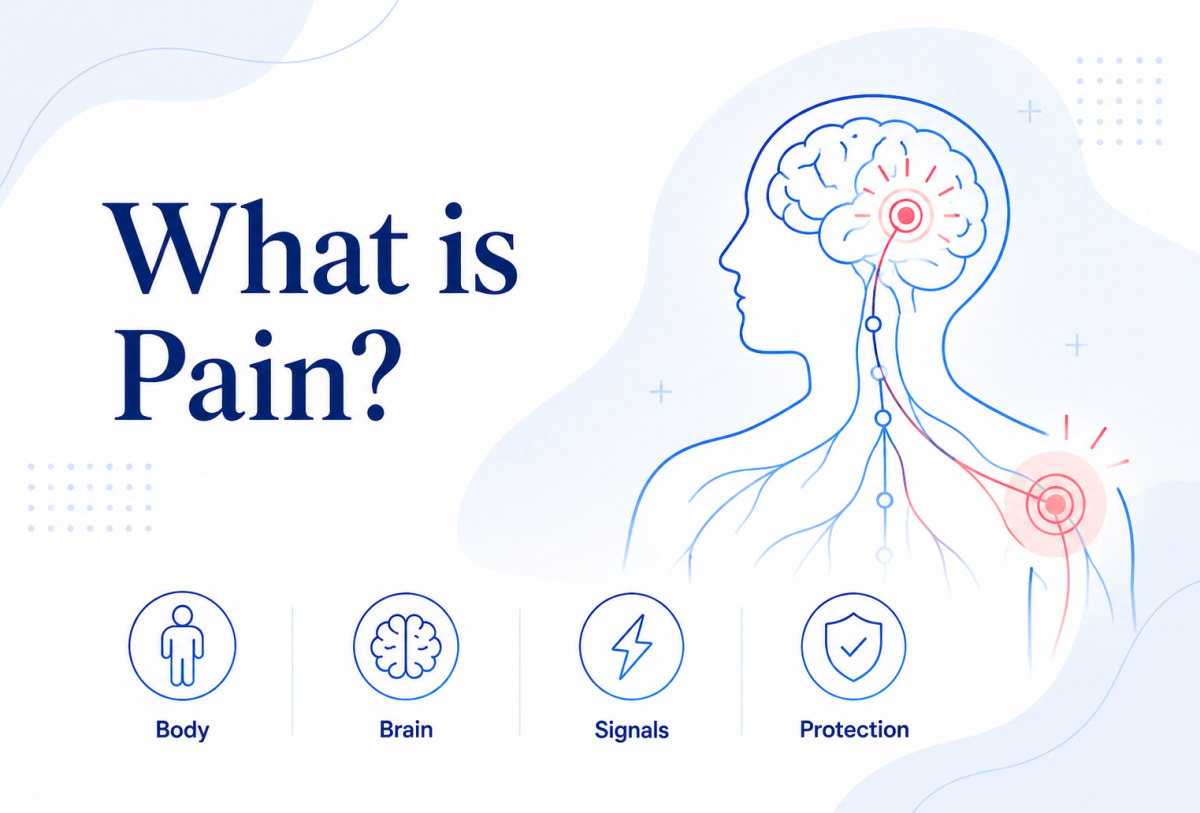
Pain is a protective danger signal—the brain’s way of alerting us to potential harm. When the body is injured, nerves send signals to the brain, producing pain that prompts us to withdraw from further tissue damage and allow for rest and recovery. In neuroplastic pain and mind-body disorders, this “harm alarm” can become oversensitive or misfire. Even in the absence of physical injury—or after the body has healed—the brain may misinterpret normal sensations, movements, or emotions as danger signals. For individuals with a history of chronic stress, trauma, childhood adversity, systemic inequity, or mental health challenges, pain pathways can become increasingly sensitised, raising the likelihood of developing neuroplastic pain and other brain-generated mind–body symptoms.
Neuroimaging research further clarifies why this occurs. Brain imaging studies show substantial overlap between the neural circuits involved in physical pain (such as injury) and emotional pain (such as social rejection). These findings provide neuroscience support for pain research linking early adversity, trauma, depression, and anxiety—factors known to prime the brain’s threat and pain networks—with increased vulnerability to developing neuroplastic pain and psychophysiological disorders. With cumulative stress or adversity, these shared neural pathways can become increasingly hypersensitised, such that even minor stressors may reactivate them—a hallmark feature of chronic pain conditions.
Chronic Pain Treatment
Recognising when persistent symptoms are being maintained by neuroplastic or mind-body processes can open the door to meaningful recovery. When pain and physical symptoms are understood as brain-based rather than the result of ongoing tissue injury, clients can being engaging in treatment from a place of greater safety, confidence, and optimism. Research suggests that understanding symptoms as arising from reversible neural processes allows therapy to focus on retraining sensitised pain pathways, reducing fear-based responses, and addressing the emotional and physiological factors that sustain a heightened threat state.
Key Treatment Targets in Chronic Pain
Treatment focuses on addressing the key factors that perpetuate pain and physical symptoms, including:
Psychoeducation to build understanding of how brain and nervous system processes contribute to the persistence of chronic pain
Emotional responses that can amplify pain-related threat signaling
Autonomic nervous system dysregulation and persistent physiological threat activation
Trauma-related processes and challenges in emotional awareness or processing that contribute to nervous system sensitisation
Depression, anxiety, and related conditions that contribute to sustained internal stress and physiological sensitisation
Long-standing personality, interpersonal, and coping patterns that contribute to persistent nervous system sensitisation
Through this integrated approach, clients learn to retrain pain-related neural pathways, reduce nervous system sensitisation, and establish emotional and interpersonal safety, allowing persistent pain and symptoms to lessen or resolve over time
Persistent Pain Conditions We Treat
We work with individuals experiencing a range of persistent pain and physical symptom conditions:
Tension and migraine headaches
Persistent Postural-Perceptual Dizziness (PPPD)
Irritable Bowel Syndrome (IBS)
Chronic abdominal, pelvic, or vomiting syndromes
Chronic Fatigue Syndrome / Myalgic Encephalomyelitis (CFS/ME)
Fibromyalgia
Central sensitisation and related chronic pain presentations
Numbness, tingling, or burning sensations (paresthesias)
Post-viral or post-concussive light, screen and sound sensitivities
Tinnitus
Myofascial pain syndrome
Persistent symptoms following COVID-19 infection (Long Covid) where structural causes have been ruled out
Post-viral syndromes
Back pain, neck pain, or foot pain with no identifiable injury or persistent pain beyond the expected healing period
Somatic Symptom Disorder (SSD)
Functional Neurological Disorder (FND)
Other persistent physical symptoms where chronic pain mechanisms may be contributing
For individuals whose symptoms arise in the context of neurological or medical conditions, psychological and cognitive interventions may be integrated within a broader neuropsychological rehabilitation pathway. Interventions are formulation-guided and may include targeted cognitive rehabilitation and neuroscience-informed psychological therapies to support recovery, cognitive capacity, and participation in complex occupational and life roles.